
2026 Annual Report
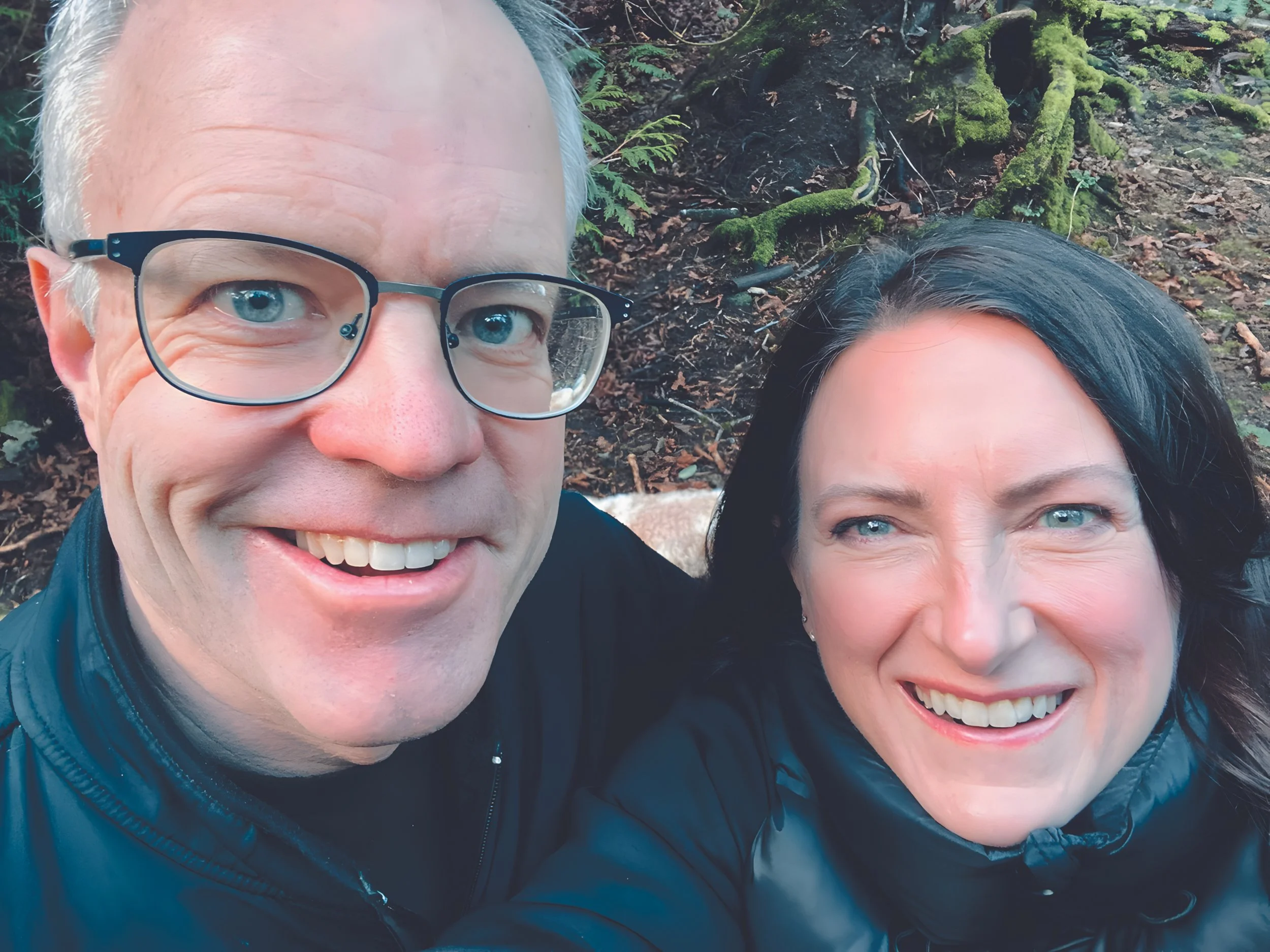
PWP Participant Jonathan Berry and his wife, Allison
Living Well with Parkinson’s:
Highlights from 2025
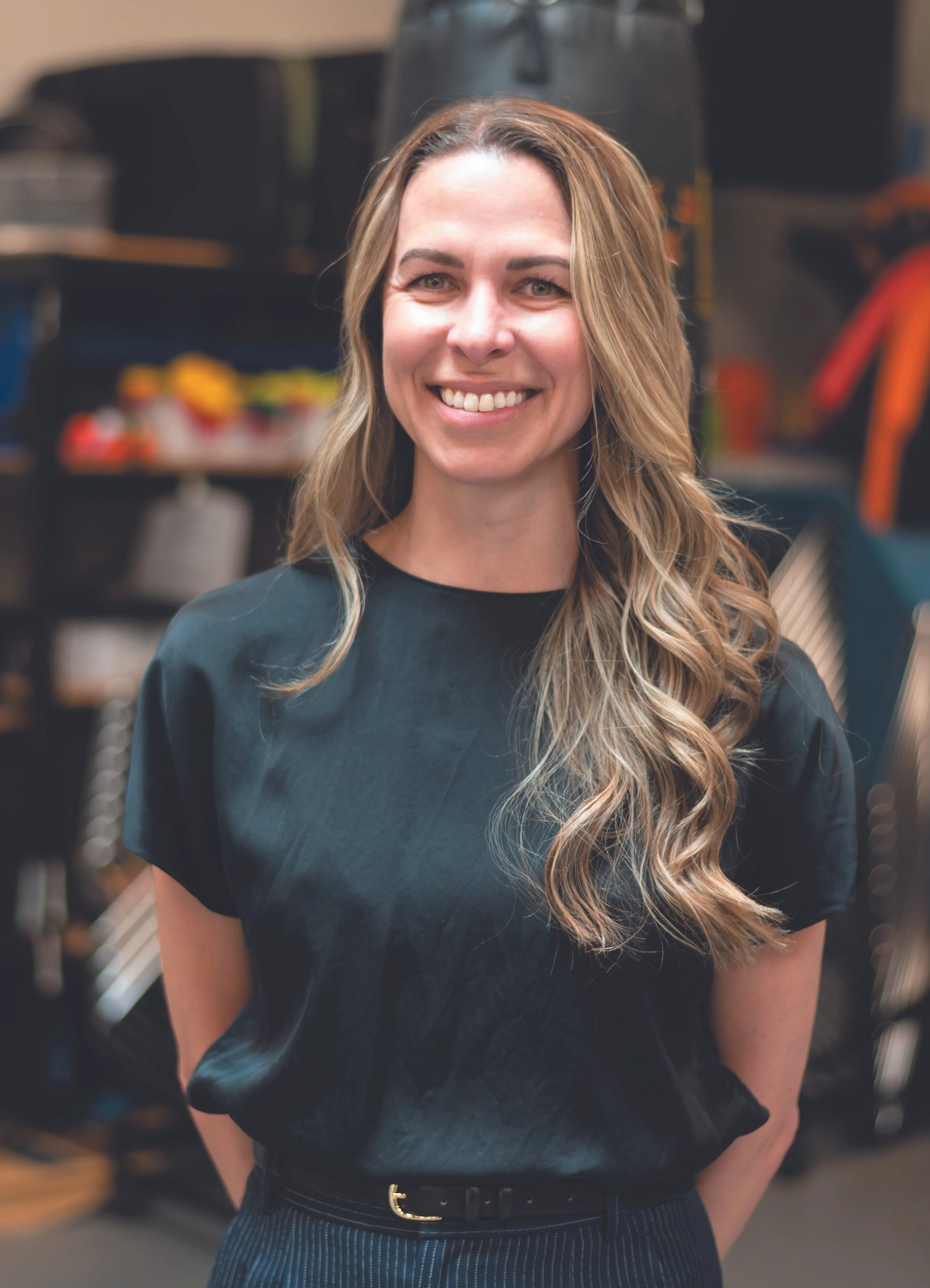
A Message From Bailey
Dear friend,
This past year at Parkinson Wellness Projects has been one of meaningful growth and deepened connection. Together, we welcomed new participants, expanded programs, and continued strengthening the community that sits at the heart of everything we do, while remaining focused on delivering high-quality, evidence-based support to people impacted by Parkinson’s.
I am continually inspired by the people who make PWP what it is—participants, care partners, staff, volunteers, and supporters alike. In our exercise classes, counselling sessions, living room conversations, and fundraising events, I see resilience, kindness, and a shared commitment to living well with Parkinson’s. The stories, laughter, determination, and even the challenges we face together are what truly define this community.
Your generosity allows us to remain barrier-free, ensuring that anyone affected by Parkinson’s can access support, regardless of where they live or where they are in their journey. It truly takes a community to make this work possible, and your support allows us to offer consistent exercise, counselling, education, and connection to those who rely on these services week after week.
As our community grows, so does our responsibility to listen, adapt, and respond to evolving needs. The staff and I are committed to ensuring that PWP remains a space where people feel seen, supported, and empowered to live well with Parkinson’s.
I am deeply honoured to serve as your Executive Director and look forward to another year of growth, connection, and impact.
With gratitude,
Bailey Martin
Executive Director, Parkinson Wellness Projects
2025 Highlights
Looking back on the past year, it’s inspiring to see how the PWP community continues to grow and thrive. Thanks to the generosity of donors, volunteers, and supporters, Parkinson Wellness Projects remained a welcoming, barrier-free space where people living with Parkinson’s and their care partners could access support, connection, and evidence-based programs. In 2025, our programs reached more people than ever before, building strength, confidence, and community. Here’s a snapshot of what your support made possible in 2025:
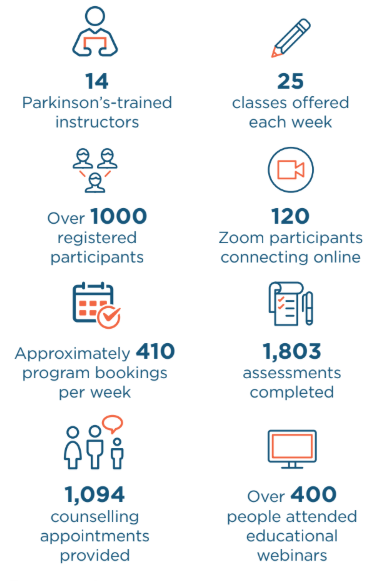
Every number represents a person, a story, and a step toward living well with Parkinson’s. Together, we are making a lasting impact.
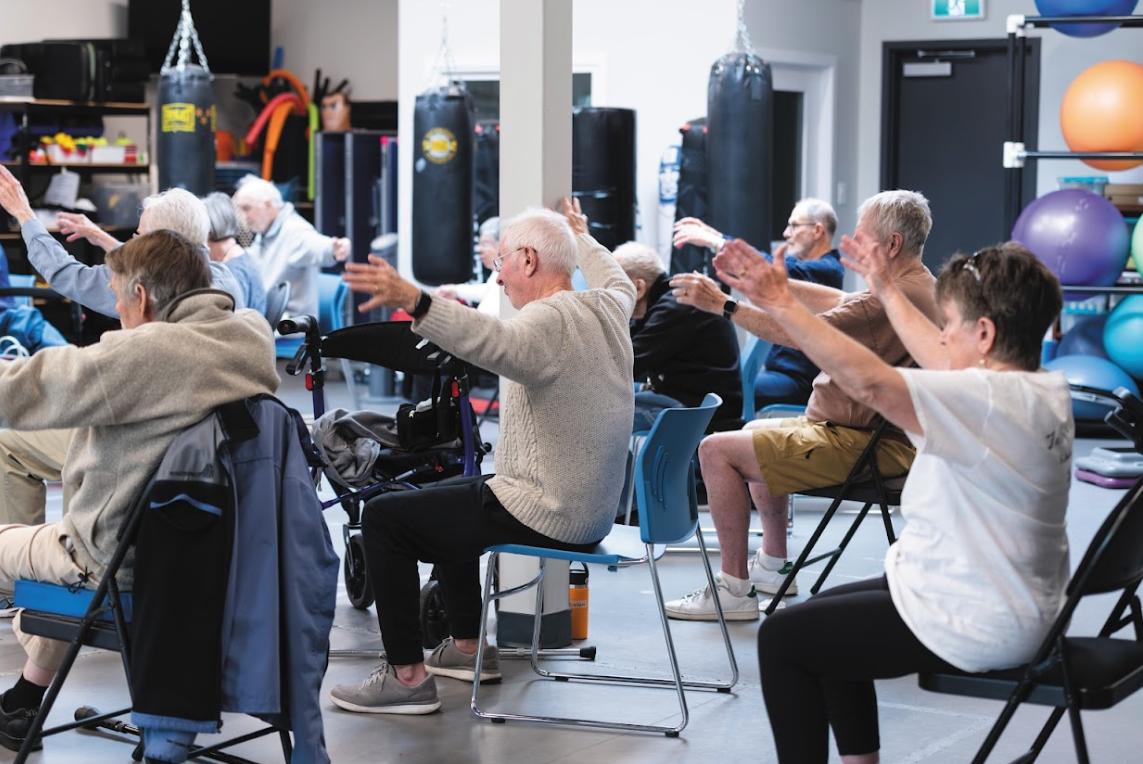
Other Standout Moments from 2025
2025 was a remarkable year for Parkinson Wellness Projects—one defined by growth, generosity, and community spirit. Together, we celebrated record-breaking success in both of our signature fundraising efforts. The Douglas Mile brought our community together in powerful ways with over 220 people participating and raising over $95,000 for PWP. Our year-end Match Campaign also exceeded expectations, doubling the impact of every gift and strengthening the future of our programs, raising a total of $160,000 for the Parkinson’s community.
As demand for our services continued to grow, we welcomed new staff members to support and expand our offerings. Their expertise and dedication have helped ensure that participants continue to receive high-quality, compassionate care.
At the heart of it all are our participants. Their commitment, resilience, and willingness to show up—for classes, for each other, and for themselves—are what truly make PWP special. Everything we achieved this year was built on that foundation.
One Family, Moving Forward Together
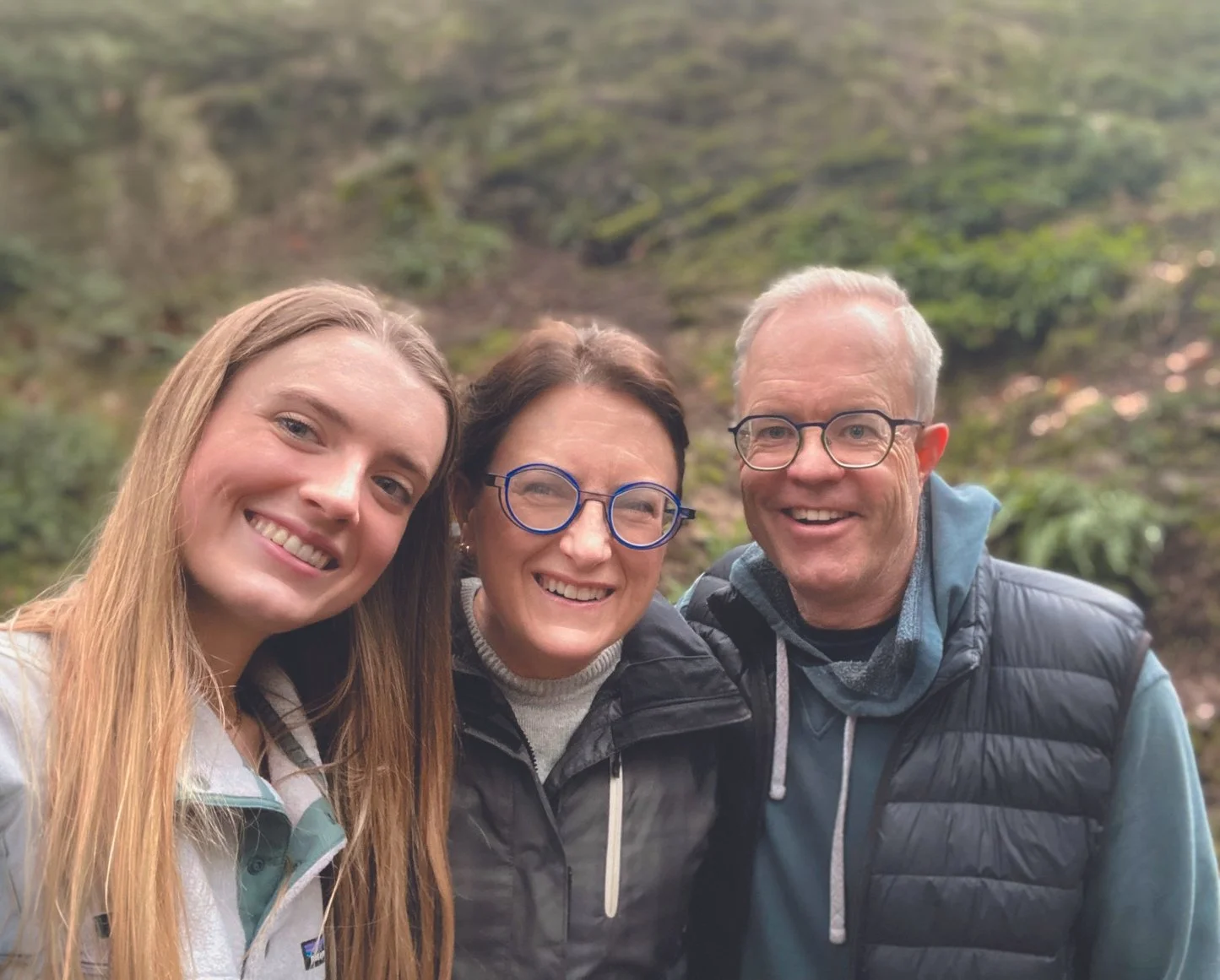
Jonathan, Allison, and Izzy Berry
Jonathan, Allison, and Izzy Take On Parkinson’s
For Jonathan Berry and his family, the road to a Parkinson’s diagnosis was not a sudden turn—it was a long, winding path. For some time, Jonathan suspected something wasn’t quite right. The process of getting answers was slow and uncertain, stretching on longer than anyone hoped. When the diagnosis finally came, it brought an unexpected mix of emotions.
“At first, there was relief,” the family recalls Jonathan's diagnosis. But that relief was quickly followed by a deep sense of isolation. Parkinson’s has a way of reshaping the future in an instant, wiping clean plans you once took for granted. Jonathan, who had been working as a teacher for at-risk high school students in Victoria, had to step away from work as mobility became more challenging. As a family, they found themselves unsure how to move forward—or even how to enjoy time together again.
It was through family connections that Jonathan was introduced to Parkinson Wellness Projects. Friends of his parents encouraged him to reach out, and that first step made all the difference. From the moment they walked through the doors, the experience felt different.
“We were greeted by Delilah—the loveliest, kindest person,” they say. “Right away, PWP felt welcoming and warm.” The programs were progressive, unique, and multidisciplinary—offering far more than the family expected. What stood out most was the sense of community. Learning about the services available felt, as Allison describes it, “like a warm blanket.” That feeling extended not only to Jonathan, but to her as a care partner as well.
Jonathan dove into exercise classes that were intense, exhausting, and at times incredibly difficult. But they were also empowering. Each class became a reminder of his progress. There was laughter too—plenty of it. “There’s so much humour at PWP,” Jonathan shares, “including a bit of friendly razzing of the instructors during class.”
For this family, it was obvious that Jonathan shouldn't have to take on Parkinson’s alone. Allison and their daughter Izzy became involved alongside him, supporting one another every step of the way. For Izzy, participating meant meeting people living with Parkinson’s and seeing firsthand how differently the condition affects everyone. It also gave the family space to process their shared grief. Allison’s father had recently passed away from Parkinson’s, and supporting Jonathan at PWP became a way for all of them to heal together.
PWP became, in their words, a cushion—something steady and supportive beneath them as they navigated unfamiliar terrain. For Allison, the Care Partner groups were especially meaningful. “You know that whatever comes out of your mouth, people will understand,” she says. “Everyone just gets it.” Programs like the Mindful Self-Compassion Series helped her process the emotional weight of caregiving, while also giving her practical tools to better support Jonathan at home.
Izzy, inspired by her interest in physiotherapy and her compassion for her dad, began volunteering in PWP classes. From the start, she felt welcomed by both participants and staff. Through volunteering, she gained hands-on insight into physiotherapy approaches specific to Parkinson’s—learning how important creativity, adaptability, and individualized movement are when supporting people with PD. She also saw the power of a positive, collaborative environment, where participants encouraged one another and worked together through challenging workouts. Volunteering in such an uplifting community was deeply meaningful for Izzy, especially having witnessed both her father and grandfather live with Parkinson’s disease.
For the Berry’s, living well with Parkinson’s means structure and intention for their family. It’s about routines, physical and social goals, healthy eating, taking medication, and staying engaged. It’s about consulting and involving care partners, fighting the apathy that can come with Parkinson’s, and keeping perspective. Jonathan loves to hike, something that the entire family does together—and every time Izzy comes home after time away, the first question she asks is, “When are we hiking?”
Their advice to other families just beginning this journey is simple and heartfelt: don’t do it alone. Reach out to PWP. Try different classes. Find what works for you. Don’t keep the diagnosis a secret. And if you’re able, support PWP—because this community makes all the difference.

Giving at Your Own Pace
Why Monthly Giving Through PACE Matters
When I started participating in programs at Parkinson Wellness Projects in 2022, I was surprised to learn that there were no fees attached to the services provided. I understood that the organization did not want to limit access with a fee structure that some users might find difficult. From the outset, PWP chose to operate on a by-donation-only approach!
Recognizing the value of the services—and realizing there is no ongoing financial support from government or health services—I came to the conclusion that I should do my part by donating what I could. That’s why I’m happy to be part of PACE, PWP’s new monthly giving program.
As for donating on a monthly basis, I don’t always have the presence of mind to remember to make regular donations, except when prompted by fundraising campaigns or tax reminders. In those cases, the all-at-once expense can be hard on cash flow. It’s far easier for me to make an automatic monthly donation through PACE—one that’s manageable and predictable.
Monthly giving allows me to enjoy the wonderful services PWP offers, knowing I’ve contributed in a consistent way. And at the end of the year, the tax receipt arrives without me even having to ask!
- Alf Wiebe, PWP Participant
Freezing of Gait and Parkinson’s
Understanding a Common but Challenging Symptom
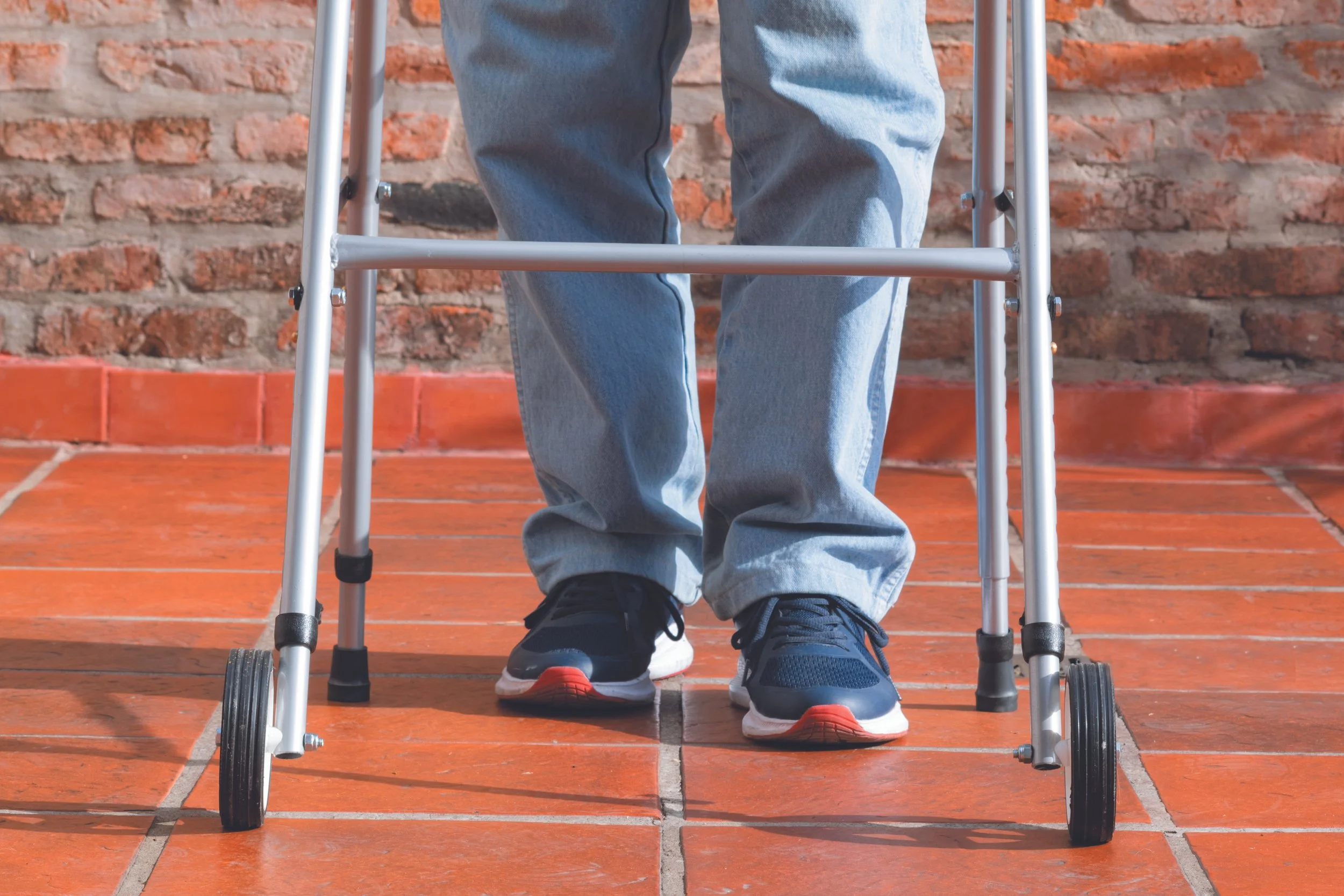
Freezing of gait (FOG) is a common and often frustrating symptom of Parkinson’s disease. It occurs when a person temporarily feels as though their feet are “glued to the floor,” making it difficult or impossible to take a step. Episodes are often brief, but they can increase the risk of falls and significantly impact confidence and independence.
Research suggests that freezing of gait affects up to 50% of people living with Parkinson’s, with higher rates as the disease progresses. Freezing often occurs during transitions—such as starting to walk, turning, approaching doorways, or navigating crowded spaces, such as a bathroom, a kitchen or a grocery store—and can be worsened by stress, fatigue, or changes in medication timing.
While freezing of gait can feel unpredictable, there are effective strategies that can help people regain control and move more safely. One commonly taught approach is the 4 S’s, a simple sequence that can help “reset” movement when freezing occurs:
• Stop – Pause and take a breath rather than forcing movement
• Stand tall – Reset posture and balance
• Shift your weight – Gently rock side to side or forwards and back to prepare for stepping
• Step – Take a big, deliberate step forward
In addition to the 4 S’s, regular, targeted exercise plays a critical role in managing freezing of gait. Programs that focus on balance, strength, coordination, and gait training can help retrain movement patterns and reduce both the frequency and severity of freezing episodes. Cueing strategies—such as stepping on or over a target on the ground, or walking to a rhythm, counting aloud—are also effective tools.
Education, counselling, and individualized support play a vital role in helping people understand and manage freezing of gait. At PWP, we support participants through evidence-based exercise, professional guidance, and a strong sense of community—because confidence, connection, and movement are essential to living well with Parkinson’s.
Showcasing Music for Health
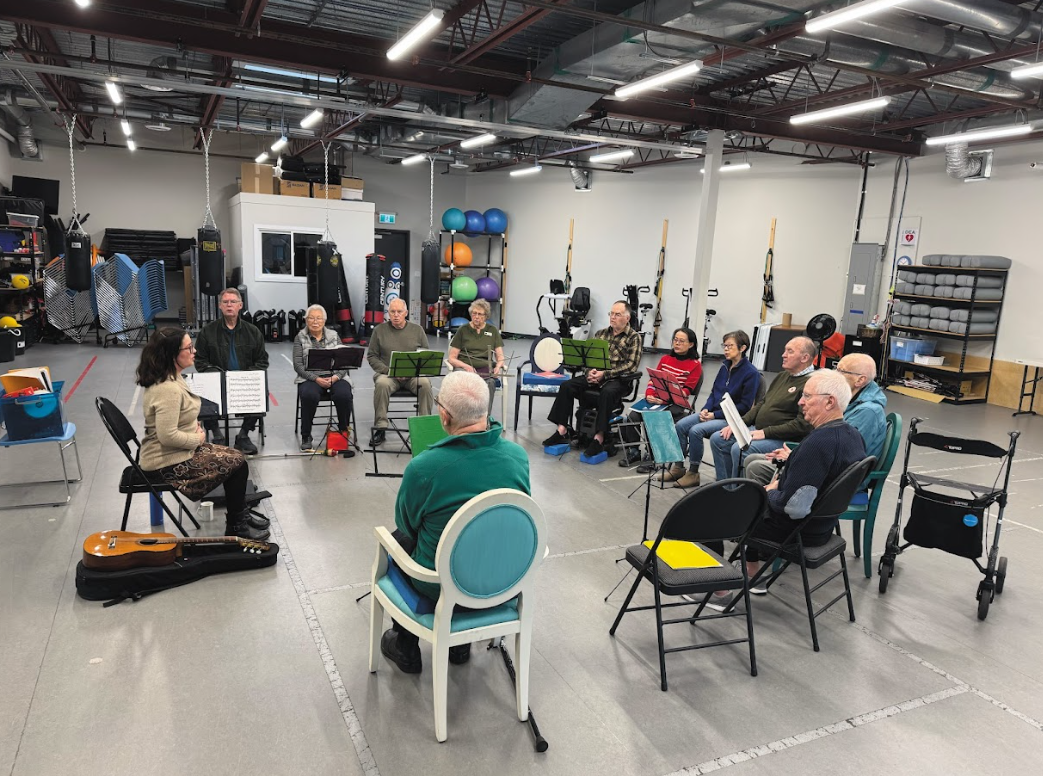
Every week, laughter and music fill the room as participants gather for Music for Health — a program that reminds people they are more than a diagnosis. Led by Shannon Perkins Carr, a certified music therapist, the class creates a space where voices are strengthened, confidence grows, and connection comes naturally.
Sessions begin with playful warm-ups, including tongue twisters and breathing exercises that support vocal strength and breath control — skills especially important for people living with Parkinson’s. Familiar songs are revisited over several weeks, allowing participants to relax into the music and notice real changes. Participants often remark: “I think we’re getting louder.”
Just as powerful as the music is the sense of belonging. New participants are warmly welcomed, introductions are made, and everyone is encouraged to take part at their own pace. For those who prefer to participate from home, Music for Health is also offered online via Zoom every Thursday. With microphones muted, participants can sing freely without fear of being self-conscious.
As Shannon reflects, “Everyone looks forward to this class. Music gives people a way to connect, express themselves, and feel supported — together.”
Save The Date
Join Us for the Victoria Mile
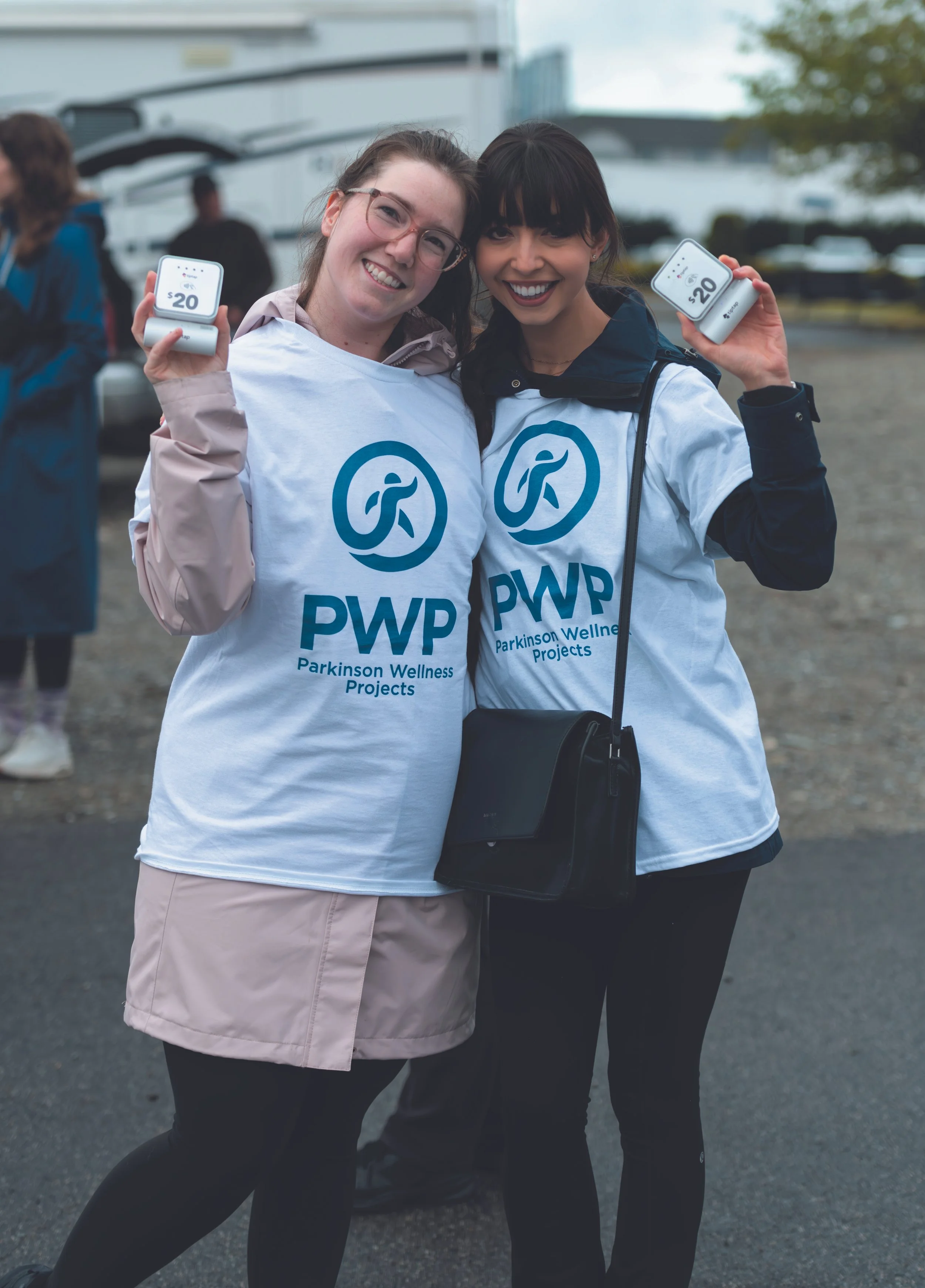
On Monday, May 18, 2026, we’ll once again lead the Victoria Day Parade with our signature 1-mile walk or run—now known as the Victoria Mile. Formerly called the Douglas Mile, this beloved event continues to bring our community together to celebrate movement, visibility, and living well with Parkinson’s.
The Victoria Mile will follow a new, exciting route, beginning at the Parliament Buildings and finishing at Government and Chatham. Open to participants of all ages and abilities—including those using walkers or wheelchairs—the event reflects PWP's commitment to accessibility, inclusion and community connection.
As PWP's largest annual fundraising event, the Victoria Mile plays a vital role in supporting our programs, education, and advocacy efforts for people living with Parkinson's and their care partners.
Registration details will be shared soon. We look forward to welcoming our community back for another meaningful Victoria Mile—one step, roll, and stride at a time.
