
Winter 2025 E-Newsletter

Winter 2025 E-Newsletter
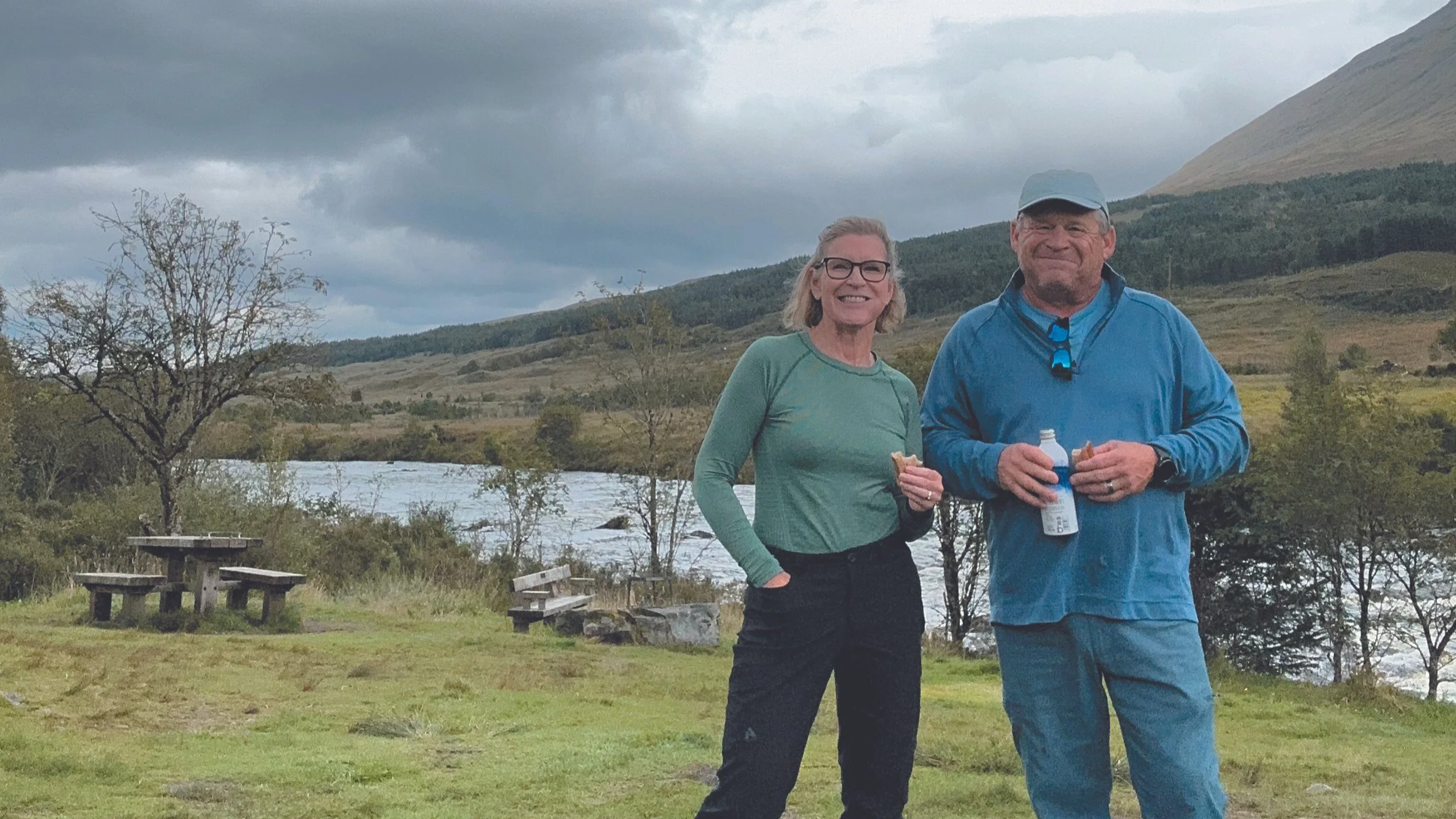
Carol on the West Highland Way in Scotland, 2025.
A Journey of Strength
Carol Walks 154 km Through Scotland for Parkinson’s
When I set out to walk the West Highland Way with my husband Gilles, I knew it would be a challenge. One hundred and fifty-four kilometres of rugged Scottish countryside—eight long days on my feet in pouring rain, scrambling over rocks—would test anyone. It’s one thing to walk 26 km in a day, but doing it eight days in a row is another story entirely. But for me, living with Parkinson’s, it was also a journey of determination and accomplishment. Scotland holds a special place in my heart—my parents emigrated from there to Canada in 1956—so it felt like a homecoming of sorts.
Parkinson’s changes the way you move on a day-to-day basis. It slows you down, stiffens your muscles, and makes the simplest motion—like lacing up your hiking boots—a challenge. From our first steps in Milngavie, every mile became a reminder that movement, in any form, is powerful medicine.
There were plenty of tough moments along the way. Some mornings I took a double dose of my Parkinson’s medication just to help my leg cooperate. Other times, the rocky trails demanded balance I wasn’t sure I still had after walking for eleven hours straight. Hearing other walkers talk about “failing” to complete the route, I knew giving up wasn’t an option—perhaps thanks to my stubborn nature.
Reaching Fort William on September 2 wasn’t just crossing a finish line—it was proof that Parkinson’s doesn’t define who I am. The condition may change how I move, but it can’t stop me from being adventurous.
This walk wasn’t just for me—it was for everyone living with Parkinson’s. I’m deeply grateful to my friends, family, and community who supported me every step of the way. Together, we raised over $9,500 for Parkinson Wellness Projects, helping others access the exercise, community, and support that make such a difference.
The West Highland Way taught me that strength isn’t about speed—it’s about determination. One steady step after another (and sometimes not-so-steady), we can keep moving forward toward our goals.
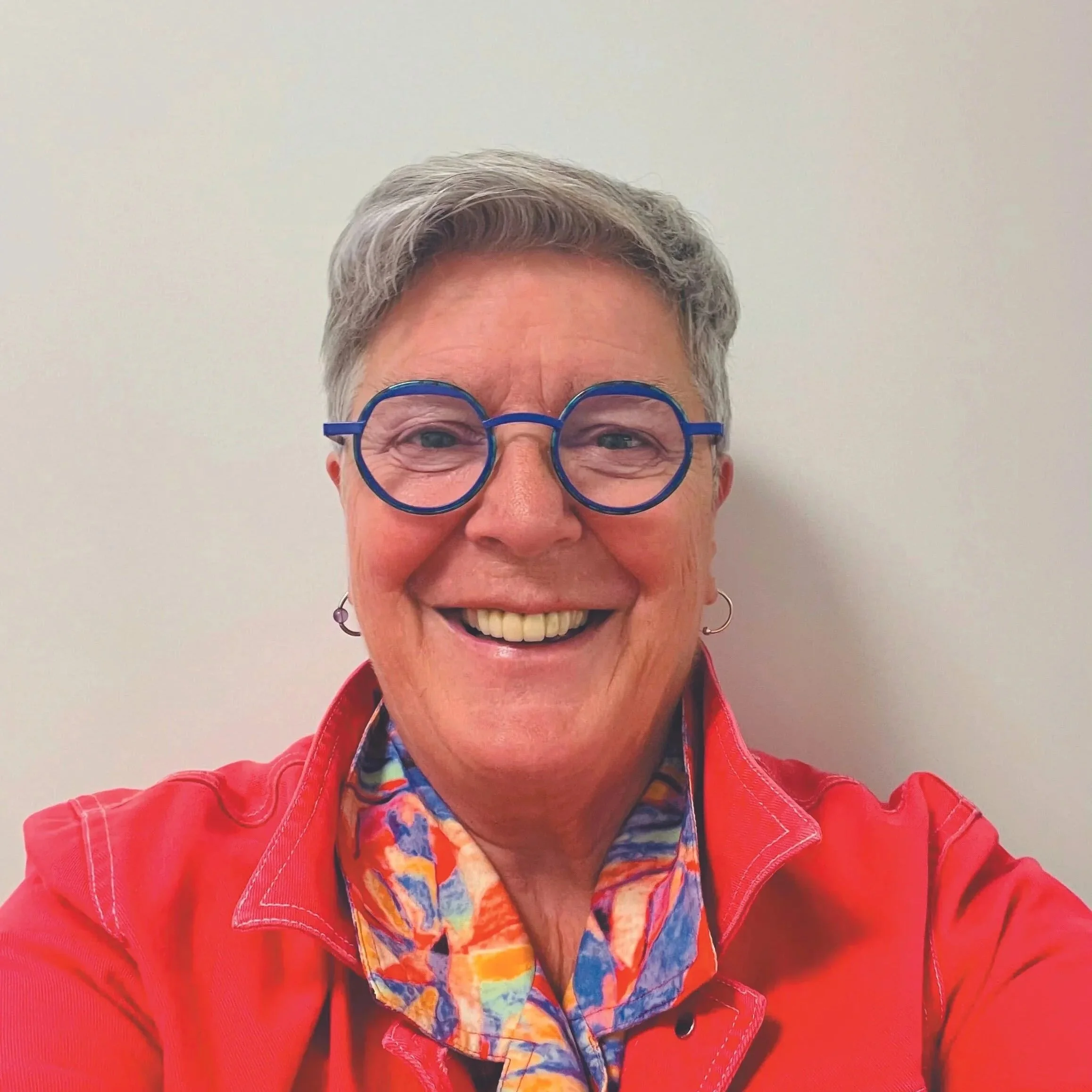
Ask an Expert:
Insights and Answers from PWP’s Counsellor, Dr. Linda Franchi
Q: I have Parkinson’s, what am I going to do now?
Exactly what you’re doing—coming to PWP, learning, and connecting. It’s completely normal to feel shock, fear, or uncertainty after diagnosis. Remember: you didn’t cause this, and you can still live fully. Acceptance and a “can-do” attitude help you adapt and create a life that’s rich in new beginnings, joy, and connection—one step at a time.
Q: What does the future look like?
Parkinson’s affects everyone differently. Some people live well for 20 years or more; others experience faster changes. While it’s impossible to predict progression, understanding the stages helps you prepare and adjust. Focus on living well now—staying active, supported, and engaged makes a meaningful difference every day.
Q: What can I do to stay healthy?
Regular exercise is one of the most effective ways to live well with Parkinson’s. Vigorous activity—like walking, cycling, or swimming—can help slow the progression of the disease and improve symptoms, including mood and cognition. Start gradually, choose what you enjoy, and stay consistent.
Care for your mind and build connections. Emotional and social health matter just as much as physical strength. Support from counselling, groups, or friends can ease stress and build resilience. Stay connected, practice mindfulness or gratitude, and celebrate small steps forward.
To ask a question about PD, email info@parkinsonwellness.ca—we may include it in the next issue!
You Raised Over $162,000 for the Parkinson’s Community!
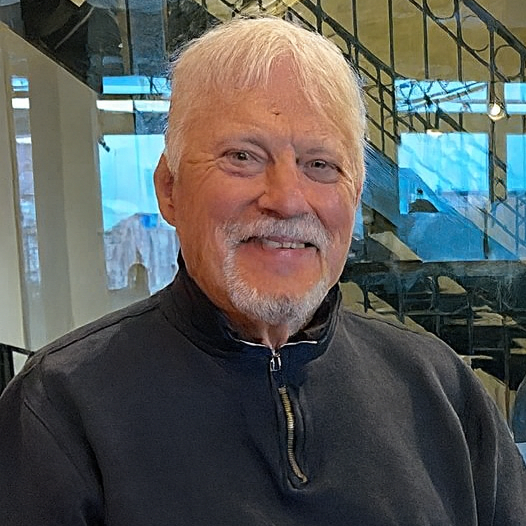
Left: Dave Cutler, former CFL all-star kicker and PWP participant, shared his story for the Match Campaign.
Thanks to your incredible generosity, this year’s Match Campaign was a tremendous success! Every dollar you gave was matched — doubling your impact for people living with Parkinson’s. Together, we raised more than $162,000 to keep PWP’s programs barrier-free and accessible for everyone who needs them.
Your support ensures that no one faces Parkinson’s alone. These funds will help us expand counselling hours, launch new support groups, and introduce additional specialized exercise and wellness classes — all designed to meet the growing needs of our community. From connection and care to strength and education, your gifts create hope every day.
Thank you for helping us start the new year strong!
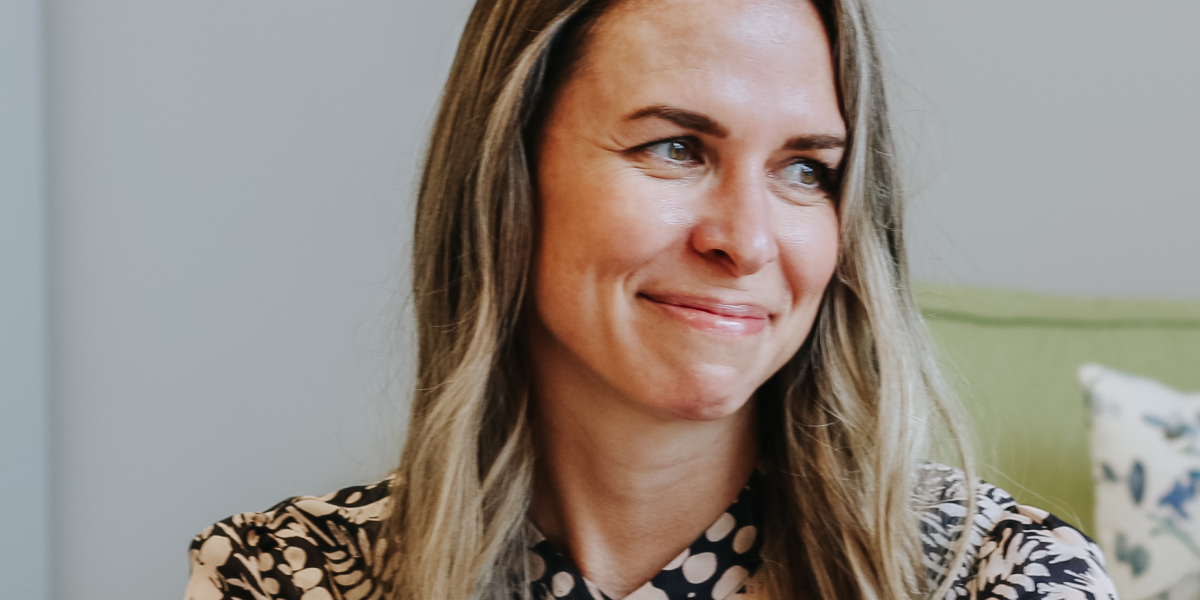
A Message from Bailey
Dear friend,
I want to thank you for your generosity—allowing us to offer all of our programs and services without fees. This barrier-free model makes it possible for anyone impacted by Parkinson’s to get the support they need, when they need it most.
We’ve had a wonderful year at PWP—full of energy, new faces, and meaningful connections. We’ve welcomed new participants, new staff, and exciting changes that will help us continue improving the way we serve the Parkinson’s community. It’s inspiring to see our programs grow and evolve to meet people where they’re at.
As we head into the new year, that spirit of growth continues. Whether you’re attending classes, volunteering, or donating, you’re part of what makes this community thrive. Together, we’re building something special—an active, supportive, and hopeful space for everyone affected by Parkinson’s.
With appreciation,
Bailey Martin
Executive Director, Parkinson Wellness Projects

Constipation and Parkinson’s
Constipation is common in Parkinson’s and often treatable. It may involve hard stools, straining, or going fewer than three times a week. Muscle stiffness, hydration, diet, and medications can all contribute, but small daily habits help.
Eat More Fiber
Choose soft fruits, cooked vegetables, and whole grains. Add bran or chia to your meals to increase fiber gradually.
Stay Hydrated
Drink water, tea, or clear soups throughout the day; limit coffee and alcohol.
Move Every Day
Try gentle stretching, yoga, or short walks.
Toilet Habits
Lean forward, use a small footstool, relax your belly, and don’t strain.
If symptoms continue, speak with your doctor about treatment options.
For more tips or to learn about upcoming PWP classes that support digestion and movement, email info@parkinsonwellness.ca or call 250-360-6800.
